Aleppo or popular known as Halab in local dialect is one of the oldest inhabited cities in the world; according to historical record it has known human settlement for at least 4,000 years (since at least the second millennium B.C.). This has been proved through the residential houses that were discovered in Tel Qaramel. Such a long history is probably due it being a strategic trading point midway between the Mediterranean Sea and the Euphrates. Initially, Aleppo was built on a small group of hills surrounding the prominent hill where the castle was erected.
 We crossed the border of Halab at about 16:15 hours. Before that, I dozed off for about an hour to recover my energy and so was the rest of the team. Amir was the one who actually ‘lead’ us through! 20 minutes later, the city skyline was very clear to our tired eyes. As we entered the town, our eyes were refreshed and entertained by the colors of Spring flowers and plants. Gorgeous.
 The sounds of cars – many of which were luxury cars and other vehicles energized our ears. The blend of the classical and contemporary modern buildings provoked our mind frame. The characters, colors and shapes of people populating the streets amazed us. All these had proven us wrong on what Aleppo is! And, reminded us on the importance of putting our efforts to enhance and upgrade our biological CBU – that thing located between our two ears called brain.
We passed through the old and new city of Halab and finally stopped right in front of the Grand Masjid or Ummayad Masjid of Halab at 16:50 hours to perform our obligations.
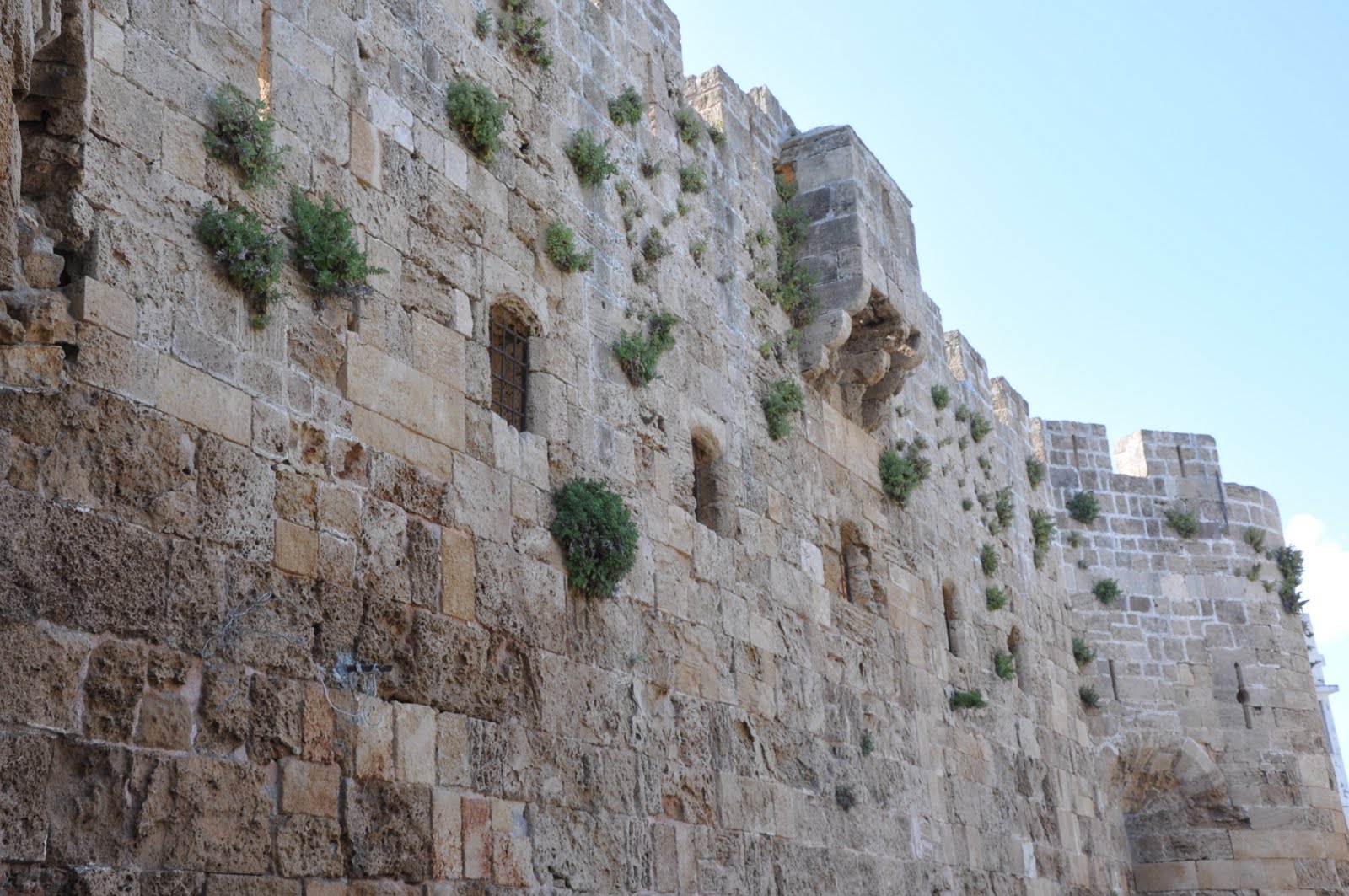
 After spending about 1 hour or so inside the grand Masjid, we walked through the alleys of the old Souk Hamidi to Masjid Karimiyah and to the Halab Citadel. Unfortunately though, the citadel was closed. Nana spent some time exploring the Souk looking for souvenirs, scarf, etc. while the kids and I spent our time admiring the amazing architecture of the Citadel. The sunset and the lightings effect beautified its physique. The charming accommodating Halab’s weather had made our adventure more pleasant.
 For centuries, Aleppo has been Greater Syria's largest city, and in the 19th century it was the Ottoman Empire's third, after Constantinople and Cairo. Although relatively close to Damascus in distance, Aleppo is distinct in identity, architecture and culture, all shaped by a markedly different history and geography.
 The city's significance in history has been its location at the end of the Silk Road, which passed through central Asia and Mesopotamia. When the Suez Canal was inaugurated in 1869, trade was diverted to sea and Aleppo began its slow decline. At the fall of the Ottoman Empire after World War I, Aleppo or Halab ceded its northern hinterland to modern Turkey, as well as the important railway connecting it to Mosul. Then in the 1940s it lost its main access to the sea, Antioch and Alexandretta (Iskenderun), also to Turkey. Finally, the isolation of Syria in the past few decades further exacerbated the situation, although perhaps it is this very decline that has helped to preserve the old city of Halab, its mediaeval architecture and traditional heritage. Aleppo is now experiencing a noticeable revival and is slowly returning to the spotlight. It recently won the title of the "Islamic Capital of Culture 2006", and has also witnessed a wave of successful restorations of its treasured monuments.
 It is one of the fastest growing cities in Syria. Large numbers of villagers and inhabitants of other Syrian districts are migrating to Halab in an effort to find better job opportunities, a fact that always causes more pressure in all aspects with a growing demand on new apartments and dormitories. New districts and residential communities have been built in the suburbs of Halab, with many of them are still under construction.
 As an ancient trading centre, Halab has impressive Souks, Khans (commercial courtyards), Hammams (public baths), Madrasas (religious schools), Masjid and Churches which are all in need of more care and preservation work. After World War II, the city was significantly redesigned; in 1952 the French architect André Gutton had a number of wide new roads cut through the city to allow easier passage for modern traffic.
 The scene that we saw and experience here - Souk Hamidiy was quite similar to the Souks that we had explored at Dimashq. However, the alley and the shops are relatively 'slim' and small in size. Most of the shops closed at 20:00 hours.
 Soaps or Savoun in local dialect is one of the Halab's products. It came with different shapes, flavors and aroma. The color however, is the same - very light greenish brown. I asked the permission of the owner (I think) to take his photo. He hesitant but instead, allowed me to shoot the photo of his Savouns. I am not even a so called an amateur photographer, but I took this hobby seriously since the last 2 years. And, this is the challenge - looking for opportunity to exercise your knowledge and skill....oops, as well as creativity, which is one the most essential factor of this game.
 The hustle and bustle of the people suddenly tamed and calmed down by the Prayer Call - Adzan from the nearby Masjid. Some of the Prophet Muhammad saw (peace be upon him)’s Companions would cried and shivered when the Prayer Call was made mainly due to their true beliefs, faith and knowledge on the importance of each teaching of the Prophet Muhammad saw (peace be upon him). Now, what about us? We split, the kids, Azmi and I went to the Salah ed Din Masjid, right in front of the Citadel. After we performed our Jama’ ta’dim ‘Maghrib and ‘Isya together, the English speaking Imam invited us for a cup of tea. We complied. He excitingly took my camera and took few test shots. We asked his permission to continue our trip, which was turned off by him. Instead, he offered us a brief sharing talk about the Masjid. Again, we complied and listened enthusiastically. About 10 minutes after his talk, we left the Masjid courtyard and the Imam alone. We engaged our 4th gear after Amir called and reminded us to quickly meet them at the parking place. We left the old city and went to the other side of Halab and had our dinner at NPC Chicken, a Syrian fast food outlet akin to the KFC. At around 21:00 hours we continued our adventure and departed for Latakkia crossing the East-West hilly highway under the dark romantic sky of the Northern Syria.